Where Did My Money Go? The Real Reason Your Check Disappears
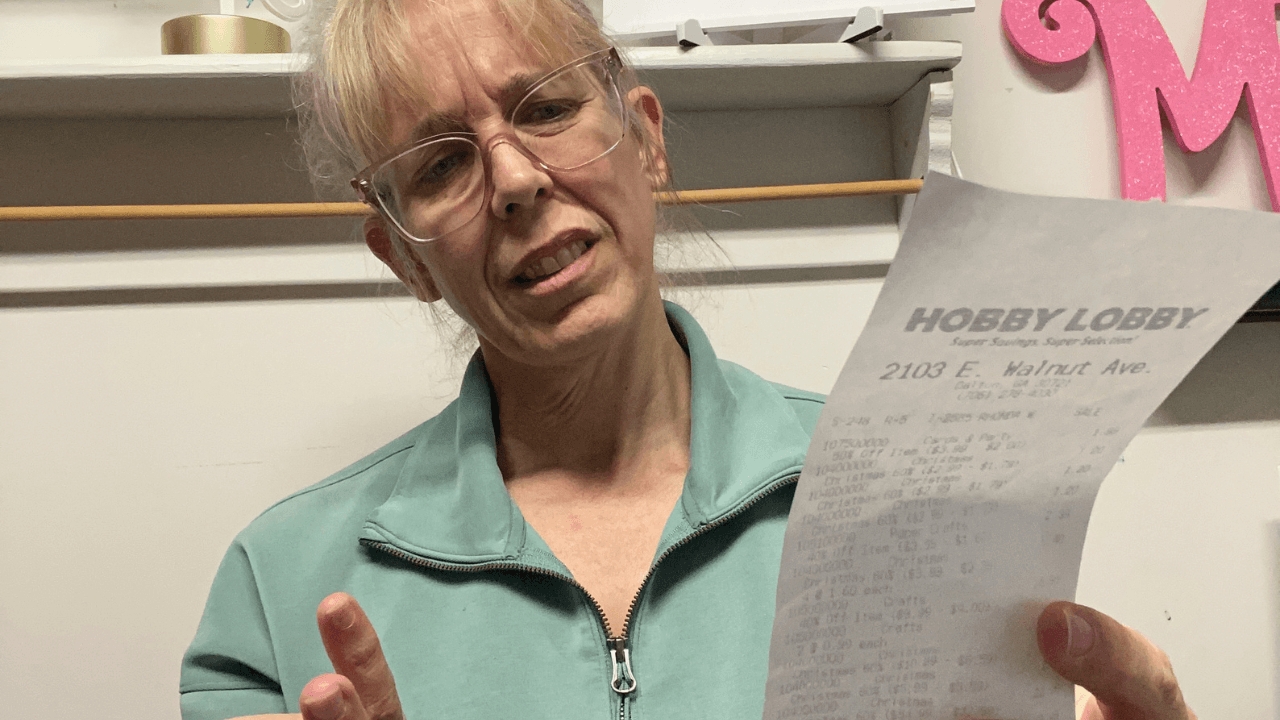
Where Did My Money Go? Why You Still Feel Broke
If you feel like your paycheck disappears every month, you are not the only one.
You pay your bills.
You try to be responsible.
And somehow it still feels like the money just vanishes.
If you’ve ever asked yourself, “Where did my money go?” you are asking the same question a lot of women ask.
The good news is there is usually a clear reason.
And it’s probably not what you think.
In this post, you’ll learn:
- why your paycheck can feel like it disappears
- the mistake most people make without realizing it
- the simple habit that helps you get clarity fast
The Real Reason Your Paycheck Disappears
Most people try to keep track of their money in their head.
And that sounds fine at first. But real life is already full.
You’re thinking about:
what’s for dinner
which kid has practice
upcoming appointments
what bills are due this week
everything else your family needs
Your brain is already doing a lot.
So when you also try to keep up with your spending from memory, it gets overwhelming fast.
Your brain was never meant to keep track of dozens of spending choices every week.
And when you rely on memory instead of real numbers, it’s easy to feel like your paycheck just disappears.
If you’re trying to manage your money in your head, that may be the very reason you feel behind.
The Simple Habit That Helps You Take Control
Here’s the habit that changes everything:
Start writing down what you spend.
That’s it.
Tracking your spending is the first real step to getting control of your money.
Now I know what some people think when they hear that.
That sounds like a lot of work.
But it helps to look at it a different way.
Tracking Spending Is Like Learning to Ride a Bike
Think back to when you first learned to ride a bike.
It felt awkward.
You wobbled.
You probably fell a few times.
But once you got the hang of it, you stopped thinking about every little move.
You just rode.
Tracking your spending works the same way.
At first, it may feel clunky.
But once you get used to it, it becomes part of your routine.
And even though it is not flashy, it works.
It helps you finally see what is happening with your money.
What Changes When You Start Tracking
I recently worked with a client who told me something that made me smile.
She said she actually loves tracking her spending now.
Why?
Because she can look at the numbers and know exactly where she stands.
Before that, every purchase felt stressful.
She would wonder:
Did I just go over budget?
But once she started writing everything down, that stress went down.
One week she felt like she had spent more than normal.
When she checked her numbers, she realized she was still within her limit.
So instead of stressing all day, she looked at the facts and moved on.
No guilt.
No guessing.
Just clarity.
Why Tracking Your Spending Matters
Tracking your spending does one very important thing.
It gives you clarity.
And clarity changes everything.
Instead of guessing, you know.
Instead of worrying, you can check.
Instead of asking where your paycheck went, you can actually see where it went.
That is when money starts to feel more manageable.
Start Here
This week, write down every dollar you spend.
Don’t try to be perfect.
Just pay attention. You are doing this so you can finally see what’s really going on.
Want Help Finding Your Money Leaks?
If you’re thinking, “Okay... I probably do need to start tracking my spending.”
I made something simple to help.
It’s called Where Did My Money Go?
This worksheet helps you see where your money is going so you can spot the spending that is quietly draining your paycheck.
Frequently Asked Questions
A: Most of the time, it is not one huge purchase. It is usually lots of smaller spending that adds up when you are not tracking it.
A: The first step is knowing where your money is going right now. You cannot fix what you cannot see.
A: Start simple. Write it down in a notebook, a notes app, or a worksheet. The best system is the one you will actually use.
Closing
If you’re the one handling the finances in your family and budgeting feels overwhelming, you are not alone.
Small steps count.
And this is a really good one.
Make a plan, run the play, and win with your money.